
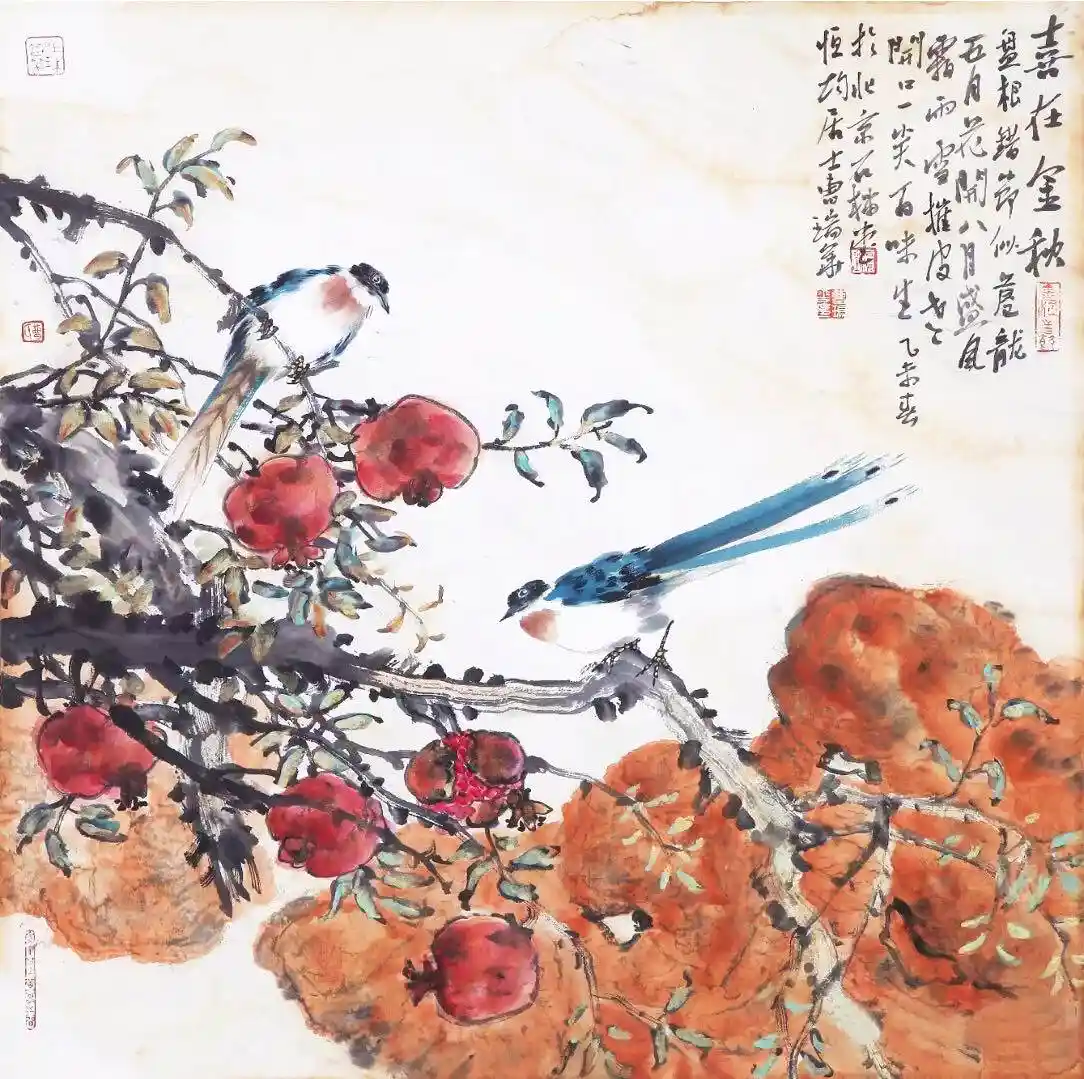
Chinese calligraphy is an essential part of traditional culture, combining the recording of language with the beauty of artistic expression. More than a way of writing, it is a reflection of thought, spirit, and individuality.
What is Calligraphy
Calligraphy, also known as shufa, is the art of writing Chinese characters with brush, ink, paper, and inkstone—the “Four Treasures of the Study.” It transforms the act of writing into an aesthetic pursuit where each stroke conveys balance, rhythm, and emotion. Originating with oracle bone inscriptions, it evolved through Seal, Clerical, Regular, Running, and Cursive scripts, each reflecting the values and aesthetics of its era.
Tools of the Art
-
Brush: the primary tool, with soft, hard, and mixed types suited for different scripts.
-
Ink: traditionally solid inkstick or prepared liquid, offering variations in tone and texture.
-
Paper: such as xuan paper, prized for its absorbency and smoothness.
-
Inkstone: used to grind ink, embodying both practicality and artistry.
Together, these tools shape the visual and expressive qualities of calligraphy.
Practice and Style
Learning begins with copying classical works to master structure and technique, followed by personal creation, where individuality and spirit are revealed. Calligraphic styles vary widely—from the dignity of Regular Script to the freedom of Cursive—each embodying a unique aesthetic ideal. Great masters such as Wang Xizhi, Yan Zhenqing, and Zhao Mengfu shaped these traditions, leaving legacies that continue to inspire.
Appreciation
To appreciate calligraphy is to observe both form and spirit: the balance of strokes, the flow of rhythm, and the expression of character. A true work of calligraphy is not only visually harmonious but also a window into the calligrapher’s mind and cultural heritage.
Conclusion
Chinese calligraphy is at once disciplined and free, traditional and innovative. It is both a practical medium and a profound art form that conveys philosophy, aesthetics, and personal cultivation. To learn and appreciate it is to engage with one of the most enduring treasures of Chinese civilization.